Buy wines from Champagne Billecart-Salmon


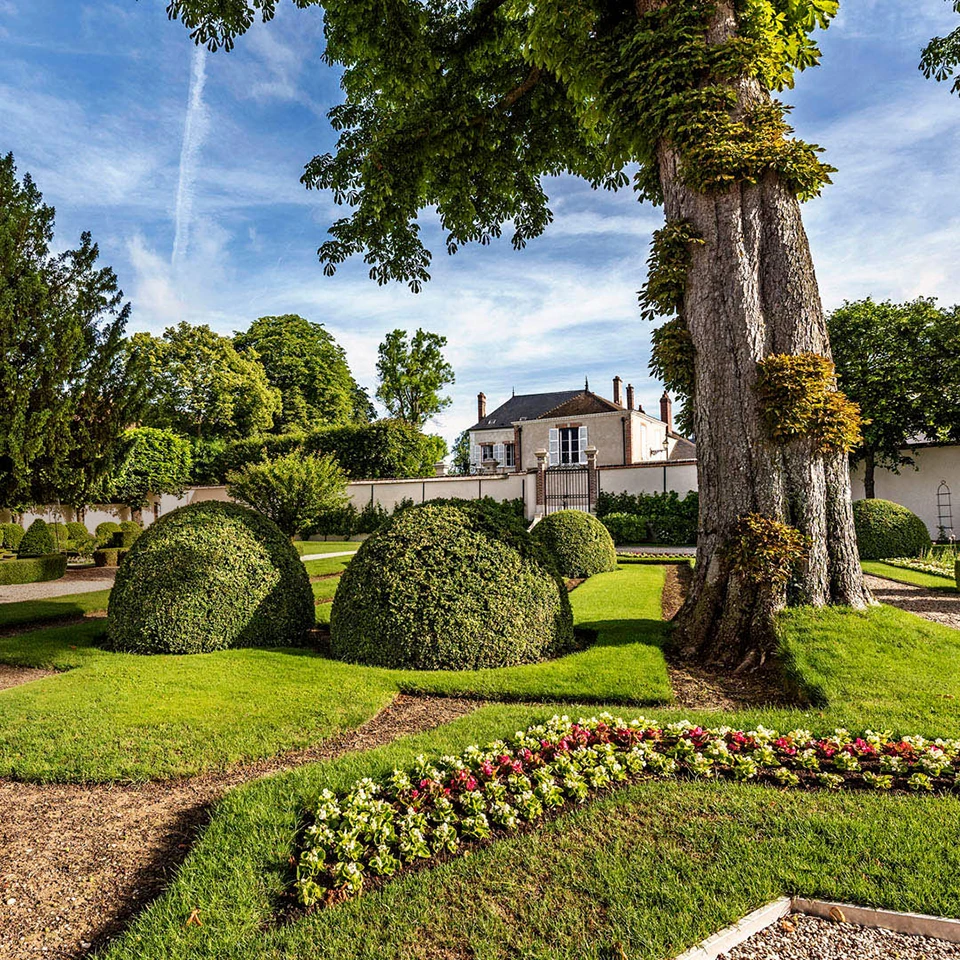
Billecart-Salmon is one of Champagne’s great family-run houses – and one of the few that, after more than 200 years, is still run by the founding family. The story began in 1818 with the marriage of Nicolas François Billecart and Elisabeth Salmon in Mareuil-sur-Aÿ. Together with Elisabeth’s brother, Louis Salmon, they founded the Champagne house: Nicolas François took charge of the commercial side, whilst Louis oversaw the winemaking. Today, Mathieu Roland-Billecart is the seventh generation to run the house.
The fact that Billecart-Salmon appears decidedly modern despite its long history is down to a remarkable willingness to embrace change. Jean Roland-Billecart took a decisive step in 1958. Inspired by methods used in breweries, he introduced a longer fermentation at low temperatures as well as cold pre-clarification. The aim was not to extract maximum intensity, but rather to achieve greater freshness, finesse and aromatic precision – characteristics that continue to define the house’s style to this day.
Today, Billecart-Salmon cultivates around 100 hectares and sources grapes from a total of approximately 300 hectares across 40 crus. The majority come from within a radius of just around 20 kilometres of Épernay, particularly from the Montagne de Reims, the Vallée de la Marne and the Côte des Blancs. Pinot Noir, Chardonnay and Meunier are not used according to a fixed formula, but rather in accordance with their origin and the specific cuvée.
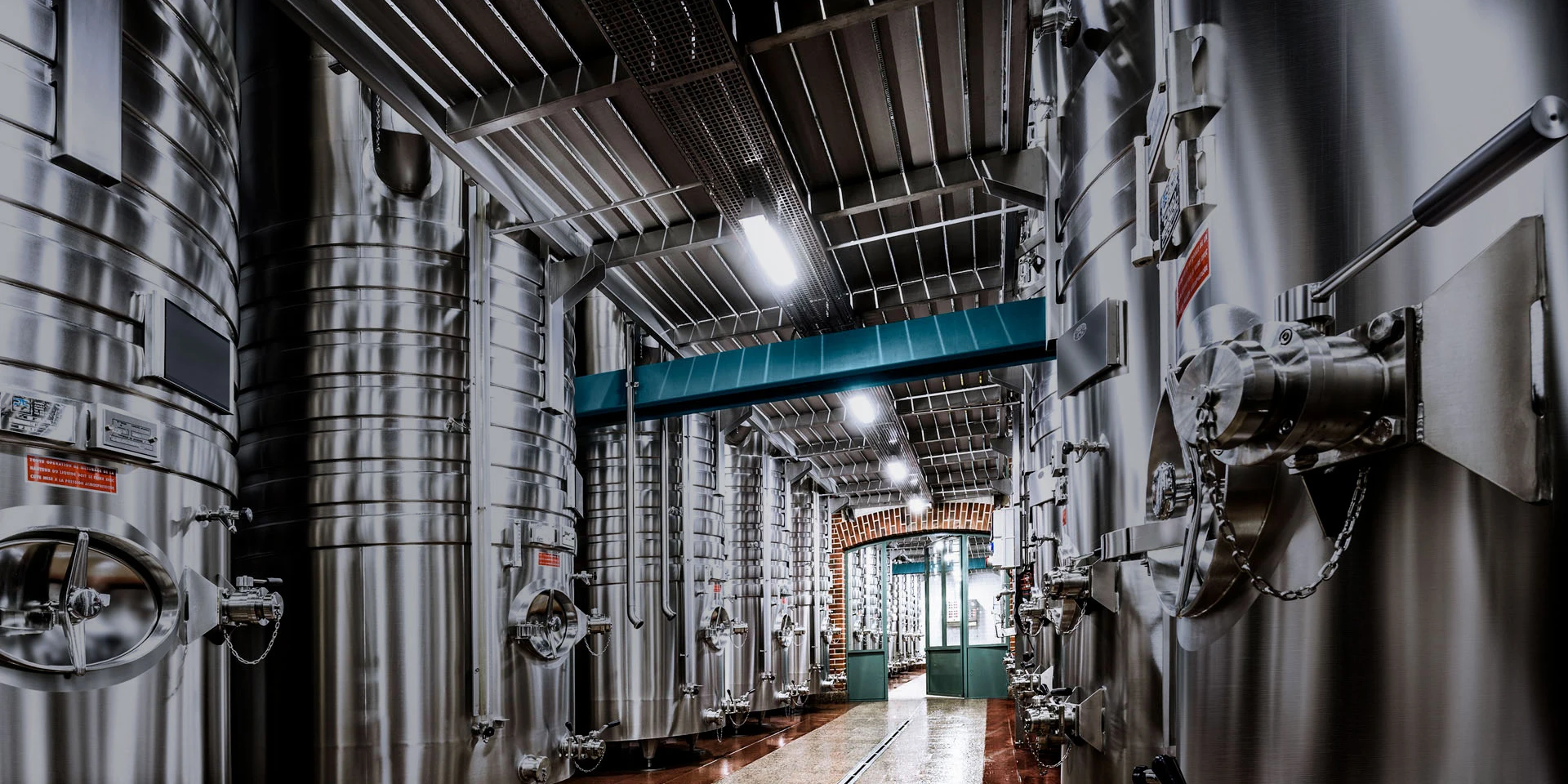
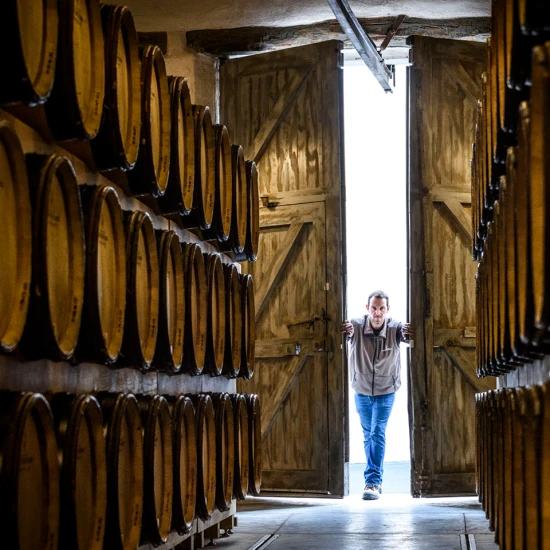
In the cellar, too, the focus has long since moved beyond stainless steel. Since 2010, the house has significantly expanded its use of wood once again. Today, it has more than 400 smaller barrels and 24 large foudres at its disposal. The use of wood is not intended to create an overt ‘barrique’ style, but rather to impart structure and additional aromatic dimensions to certain base wines and cuvées. Cellar master Florent Nys, who has been with the house since 2005, is now responsible for winemaking.
Rosé has played a special role for decades. Jean Roland-Billecart devoted himself to it as early as the 1970s, at a time when rosé champagne was by no means as prestigious as it is today. Rather than focusing on colour and intensity, he opted for an unusually light, refined style characterised by freshness and subtle red fruit notes. The “Brut Rosé” evolved from this into one of the house’s best-known cuvées and continues to shape the image of Billecart-Salmon to this day.
Even at the very top of the range, the house combines tradition with a very clear vision of style. The “Cuvée Nicolas François” was first produced in 1964 as a tribute to the founder and blends Pinot Noir from the Montagne de Reims and the Grande Vallée de la Marne with Chardonnay from the Côte des Blancs. “Elisabeth Salmon”, in turn, embodies the house’s great rosé tradition, whilst “Louis Salmon” is dedicated to Chardonnay.
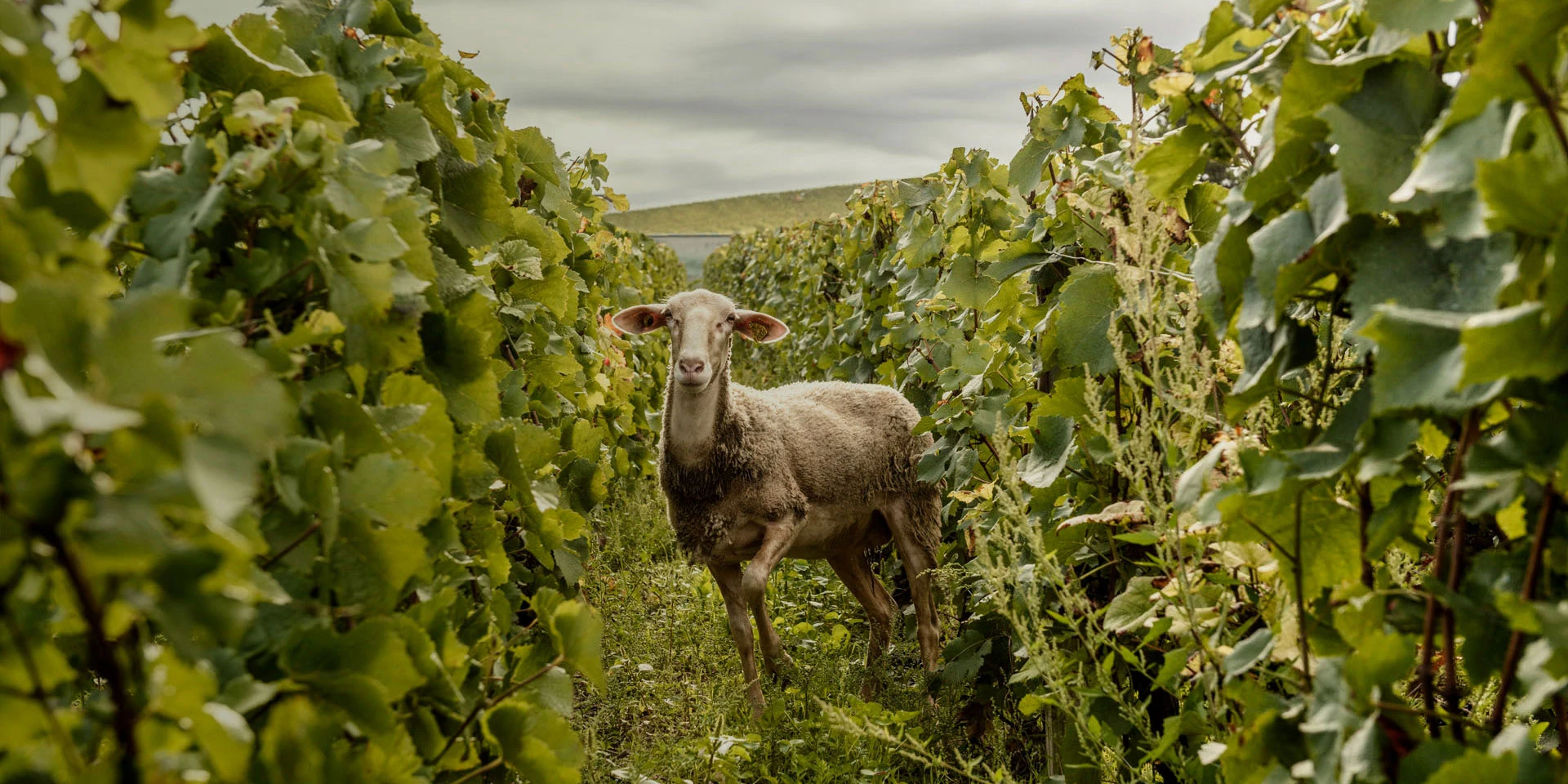
Even more distinctive is “Clos Saint-Hilaire”. Located right next to the estate’s headquarters in Mareuil-sur-Aÿ, this fenced-off Pinot Noir plot covers just one hectare. The vines were planted in 1964, and the first Clos Saint-Hilaire was produced in 1995. This Blanc de Noirs is vinified entirely in wood; every bottle is numbered and produced only in particularly favourable vintages. Depending on the vintage, only around 3,500 to 7,500 bottles are produced. Horses and sheep are once again being used to tend the plot.
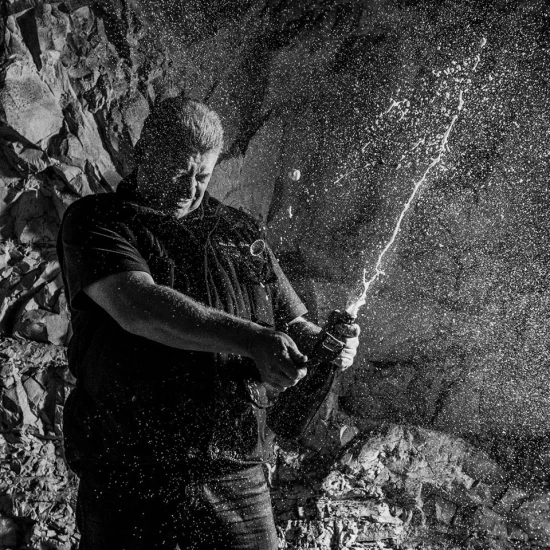
What is particularly noteworthy is the consistency with which Billecart-Salmon regards time as an integral part of the winemaking process. The champagnes remain on the lees for significantly longer – and at least twice as long – as required by law. Mathieu Roland-Billecart explicitly describes the time the bottles spend in the two-kilometre-long underground tunnels as the foundation of the house’s pursuit of quality: it is not speed, but patience, that is said to enable finesse, depth and complexity.
© Images: Champagne Billecart-Salmon